
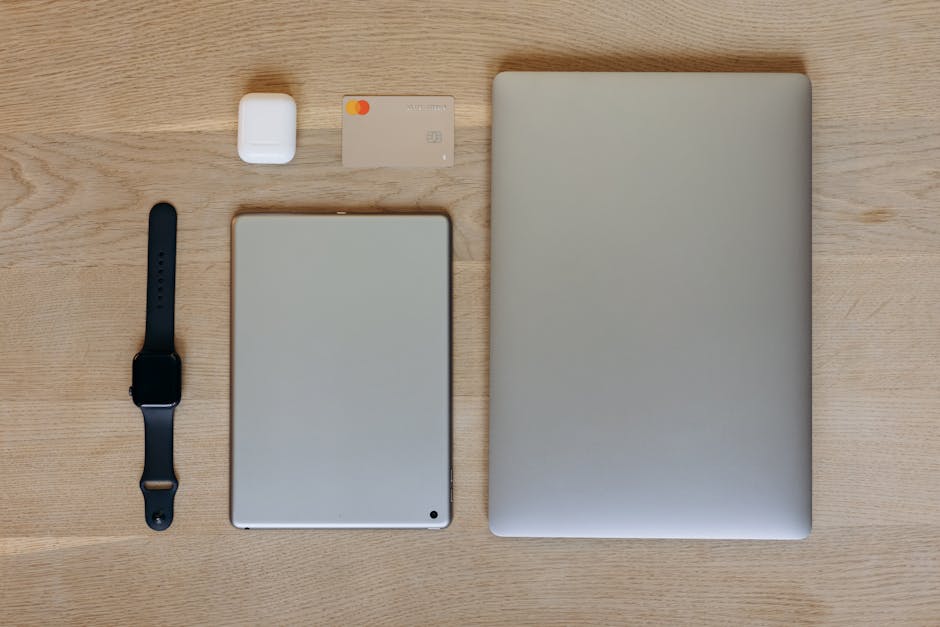
Over 70% of professionals report experiencing moderate to high levels of digital burnout by mid-2026, a significant jump from pre-pandemic figures. This isn’t just about feeling tired; it’s a profound depletion of mental and emotional resources, directly linked to our always-on digital lives. The constant stream of notifications, the pressure to respond instantly, and the blurred lines between work and personal time have created a unique form of exhaustion. We’re not just users of technology anymore; for many, we’re its unwilling servants. This widespread fatigue impacts everything from creativity and focus to personal relationships and overall well-being. The shiny new iPhone 17, priced around $1099, or the powerful Samsung Galaxy S27, typically selling for $999, promise enhanced productivity and connection. Yet, for many, they deliver an inescapable leash to the digital world, constantly pulling us back into the fray. The promise of hyper-efficiency often translates into hyper-exhaustion.
What a Digital Burnout Crisis Actually Looks Like in 2026
The Hidden Costs of Constant Connectivity
Burnout often starts subtly. It’s the feeling of dread when your phone buzzes, the inability to concentrate on a single task for more than a few minutes, or the persistent brain fog that makes decision-making a monumental effort. Psychologically, this chronic overstimulation can lead to decreased cognitive function, impaired memory, and even physical symptoms like headaches and muscle tension. Emotionally, it manifests as irritability, cynicism, and a profound sense of detachment from activities that once brought joy. For many, the expectation of being constantly available, a norm cemented by instant messaging platforms and remote work tools, means a true «off-switch» has become a relic of the past. The cost isn’t just in productivity lost, but in a diminished quality of life, where genuine rest and deep engagement are sacrificed at the altar of perceived digital necessity. Even leisure time, once a sanctuary, now often involves endless scrolling through TikTok or Instagram feeds, further contributing to the very problem it seeks to alleviate.
Beyond «Too Much Screen Time»: The Deeper Impact
It’s easy to blame «too much screen time,» but the issue runs deeper than hours spent looking at a display. The real problem is the quality and intent behind that time. Are you actively engaging, learning, or connecting meaningfully? Or are you passively consuming, reacting to notifications, and feeling overwhelmed? The deeper impact of digital overload involves a loss of agency – the feeling that your digital life is controlling you, rather than you controlling it. This erosion of autonomy is a significant contributor to burnout. When every notification feels like an urgent demand, and every social media update triggers a comparison, the mental energy required to navigate these interactions becomes unsustainable. We’re not just processing information; we’re constantly managing our emotional responses to an endless stream of curated realities and urgent pings. The cumulative effect is a pervasive sense of being «on call» for the internet, a state that our brains are simply not designed to maintain indefinitely.
Digital Minimalism: The Deep Dive and Its Practical Application

Digital Minimalism, popularized by author Cal Newport, is not about ditching technology entirely. It’s about being deliberate and intentional about your technology use. The core idea is simple: prune the non-essential, and focus on the few technologies that bring significant value to your life. Newport defines it as «a philosophy of technology use in which you focus your online time on a small number of carefully selected and optimized activities that strongly support things you deeply value, and then happily miss out on everything else.» This isn’t a Luddite rejection of the modern world; it’s a strategic retreat designed to reclaim focus, attention, and ultimately, peace of mind. The philosophy acknowledges that while some digital tools are genuinely powerful and beneficial, many are designed to capture and hold attention, often at the expense of our mental well-being. Minimalism encourages a radical re-evaluation of every digital tool we use, asking tough questions about its true utility and impact.
Cal Newport’s Core Principles
- Clutter is Costly: Every new app, notification, or social media platform adds to your «cognitive load.» More options mean more decisions, more distractions, and less mental bandwidth for truly important tasks. Minimists actively remove any digital tools that don’t serve a high-value purpose. This might mean deleting the Instagram app from your phone, even if you keep the account for specific professional reasons, or removing games like those on a Nintendo Switch ($299) or PlayStation 5 ($499) that become time sinks rather than genuine relaxation.
- Optimization is Key: For the technologies you do keep, you must optimize their use. This means turning off all but the most essential notifications, setting strict time limits, and using apps in a way that aligns with your values. For example, if you use a communication app for work, you might only check it at specific times, rather than having it open constantly.
- Intentionality Over Impulse: Instead of defaulting to checking your phone whenever you’re bored or have a free moment, a digital minimalist cultivates higher-quality leisure activities. This could involve reading books, pursuing hobbies, spending time in nature, or engaging in deep conversations. The goal is to fill the void left by endless scrolling with activities that are genuinely restorative and enriching. The intentionality here is about proactively choosing what to do with your attention, rather than letting algorithms choose for you.
The 30-Day Digital Declutter Process
A practical application of digital minimalism often begins with a «digital declutter.» This typically involves a 30-day period where you:
- Step 1: Identify Your Digital Rules: For 30 days, completely suspend optional digital activities (e.g., social media, news sites, casual browsing). This includes apps like TikTok, Facebook, and even excessive YouTube consumption. Keep only the tools absolutely essential for work or critical family communication.
- Step 2: Re-discover Analog Pleasures: Fill the newly freed time with high-quality, non-digital activities. Reconnect with hobbies, read physical books, learn a new skill, or engage more deeply with friends and family in person. The idea is to experience the benefits of a less connected life firsthand.
- Step 3: Thoughtfully Reintroduce Technology: After 30 days, reintroduce digital tools selectively. For each tool, ask: Does this technology serve a deep value? Is there a better way to use it? What are the specific rules for its use to maximize its benefits and minimize its downsides? This phase is where you build your personalized, minimalist digital life, often resulting in permanent removal of many apps and strict limits on others. For instance, you might decide to only check Instagram once a week for 15 minutes, or delete news apps entirely, relying on a weekly digest instead.
This structured break is crucial for resetting habits and gaining perspective, making it easier to maintain the changes long-term.
Digital Essentialism: Focusing on What Truly Matters
I argue that digital essentialism offers a more sustainable path for many in 2026, especially those whose work is intrinsically digital. While minimalism often focuses on what to remove, essentialism, as articulated by Greg McKeown in «Essentialism: The Disciplined Pursuit of Less,» centers on identifying the vital few and eliminating the trivial many. It’s not about scarcity, but about clarity. This distinction is crucial for modern professionals who can’t simply «unplug» from their digital tools without compromising their livelihoods. Essentialism recognizes that some digital tools are genuinely indispensable. The goal isn’t to get rid of them, but to ensure they are serving your highest purpose, not just consuming your time and attention indiscriminately. It’s about being highly discerning, rather than broadly restrictive. This philosophy suggests that rather than cutting all social media, you might identify one platform critical for your networking and optimize its use, while eliminating all others. It’s a proactive, systematic approach to determining where your efforts and digital attention will have the greatest impact.
Greg McKeown’s «Less But Better» Approach
Greg McKeown’s essentialism is built on three core tenets:
- Explore and Discern: Essentialists are always asking, «What is absolutely essential?» They actively explore various options, gather information, but then ruthlessly filter out the non-essential. This involves deep reflection, often in solitude, to identify what truly matters to them professionally and personally. In the digital realm, this means critically evaluating every app, every subscription, every digital habit against a clear set of values and goals. For example, instead of subscribing to dozens of newsletters, an essentialist might choose one or two highly curated sources that offer profound insights into their specific field, using tools like Feedly for content aggregation, which has a Pro plan for $8/month.
- Eliminate the Non-Essential: Once the essential has been identified, anything that doesn’t contribute directly to those priorities is eliminated without regret. This isn’t just about saying «no»; it’s about making a deliberate «yes» to the few things that matter most, and by extension, saying «no» to almost everything else. This principle applies to notifications, email subscriptions, and even digital projects that divert focus from core objectives. It’s a continuous process of disciplined decision-making.
- Execute with Ease: Essentialists strive to make the execution of essential tasks as effortless as possible. This involves creating routines, systems, and boundaries that protect their time and energy for what’s important. In a digital context, this might mean setting up dedicated «deep work» blocks, using focus apps like Freedom ($8.33/month for an annual subscription) to block distracting websites, or structuring email response times. The aim is to build a life where the essential is easy to pursue, and the non-essential is difficult to engage with.
This methodical pursuit of less, but better, is what differentiates essentialism from a blanket restriction.
Identifying Your Digital «Essentials»
Applying digital essentialism means a personalized audit of your digital life. Here’s how to identify your essentials:
- Define Your Core Values and Goals: What are your top 3-5 personal and professional values for 2026? What are your most important goals? These become the filter through which you evaluate all digital tools. For instance, if «deep work» is a core value, a project management tool like Notion (Plus plan $8/month) that helps consolidate tasks and notes might be essential, while endless Slack channels are not.
- Audit Your Current Digital Tools: List every app, website, and digital service you use regularly. For each, ask: «Does this actively and significantly contribute to my core values or goals?» Be brutally honest. If it offers only marginal benefit, or worse, distracts you, it’s a candidate for elimination. This includes the subtle time sinks – the news aggregator you check every hour, the shopping apps you browse out of habit.
- Experiment and Refine: Don’t expect to get it perfect on the first try. Experiment with removing or limiting tools. Observe the impact. If deleting a specific gaming app like Call of Duty Mobile ($0, with in-app purchases) from your phone frees up mental space, then it wasn’t essential. If a specific communication tool is vital for your team’s project, keep it, but set clear boundaries for its use. This iterative process allows for continuous optimization, ensuring your digital environment truly supports your most important work and life. A task manager like Todoist (Pro plan $5/month) can be essential for organizing tasks, but only if you actually use it effectively and not just collect tasks.
The key is a proactive, rather than reactive, approach to your digital environment.
Direct Comparison: Minimalism vs. Essentialism – Which Philosophy Wins for Reducing Burnout?

While both philosophies aim to reduce digital overwhelm, their approaches differ significantly. For someone experiencing chronic digital burnout, understanding these distinctions is key to choosing the right path.
| Feature | Digital Minimalism | Digital Essentialism |
|---|---|---|
| Core Philosophy | Focus on «less is more» by systematically reducing digital tools to a select few high-value ones. Often involves a «declutter» period. | Focus on «less but better» by identifying the absolute vital few and eliminating everything else, based on clearly defined values. |
| Primary Question Asked | «What is the least amount of technology I can use to support my values?» | «What is most essential to my highest contribution?» |
| Approach to Technology | Often starts with a drastic removal or reduction, then careful reintroduction based on strict utility. Can feel restrictive initially. | Starts with discerning what’s truly important, then strategically removing non-essentials. More focused on purpose and value. |
| Flexibility | Less flexible; often involves more rigid rules around app usage, screen time, or platform avoidance. | More flexible; allows for the retention of many digital tools if they align with core values, but with highly optimized use. |
| Best For | Individuals feeling completely overwhelmed, needing a hard reset, or those whose work allows significant detachment from digital tools. People who feel addicted to social media. | Professionals deeply embedded in digital work, entrepreneurs, or those who need to strategically leverage specific digital tools to achieve high-impact goals without sacrificing well-being. |
| Burnout Reduction Mechanism | Reduces cognitive load and emotional drain by minimizing exposure to distractions and decision fatigue. Creates space for analog life. | Reduces burnout by focusing energy and attention on high-value activities, leading to a sense of purpose and achievement, while strategically ignoring low-value digital noise. |
Core Philosophical Differences
The fundamental divergence lies in their starting points. Minimalism tends to view most digital tools with skepticism, assuming they are inherently distracting until proven otherwise. It advocates for a period of extreme reduction to recalibrate. Essentialism, on the other hand, starts with an assumption of value and then asks if this specific tool genuinely serves a core purpose. It’s less about the quantity of tools and more about the quality of their contribution. Minimalism might say «delete all social media.» Essentialism might say «If Twitter is essential for your professional networking, optimize its use for that specific purpose and ignore everything else. Otherwise, delete it.» This nuance makes a significant difference in practical application, especially for those whose livelihoods are intertwined with digital platforms.
Application in Everyday Digital Life
For someone deep in the trenches of digital work, like a content creator or a remote project manager, a full digital minimalist declutter might feel impossible or even detrimental. Imagine a graphic designer trying to operate without Adobe Creative Cloud ($59.99/month for all apps) or a programmer without their development environment. In these cases, essentialism provides a framework for selective engagement. It allows them to use powerful, essential tools effectively, while ruthlessly cutting out the non-essential adjacent noise—like endless online forums, non-work-related YouTube videos, or distracting news sites. A digital minimalist might see their smartphone (e.g., Google Pixel 8, $699) primarily as a communication device, limiting all other functions. An essentialist might use it for specific, high-value tasks, like managing their calendar, using a specific productivity app, or staying connected to a critical professional network, while still blocking leisure apps. The choice isn’t about avoiding technology, but about wielding it with precision.
The Future of Digital Wellness Isn’t About Elimination, It’s About Intentionality.

Ultimately, the battle against digital burnout in 2026 isn’t won by simply deleting apps or completely disconnecting. It’s won by cultivating a profound sense of intentionality. Whether you lean into the structured reduction of digital minimalism or the value-driven curation of digital essentialism, the underlying success factor is making conscious choices about how technology serves your life, rather than letting it dictate your attention. The goal is to regain agency, to ensure every digital interaction is a deliberate act, and to protect your mental energy as a precious resource.
 Mollie Nash