
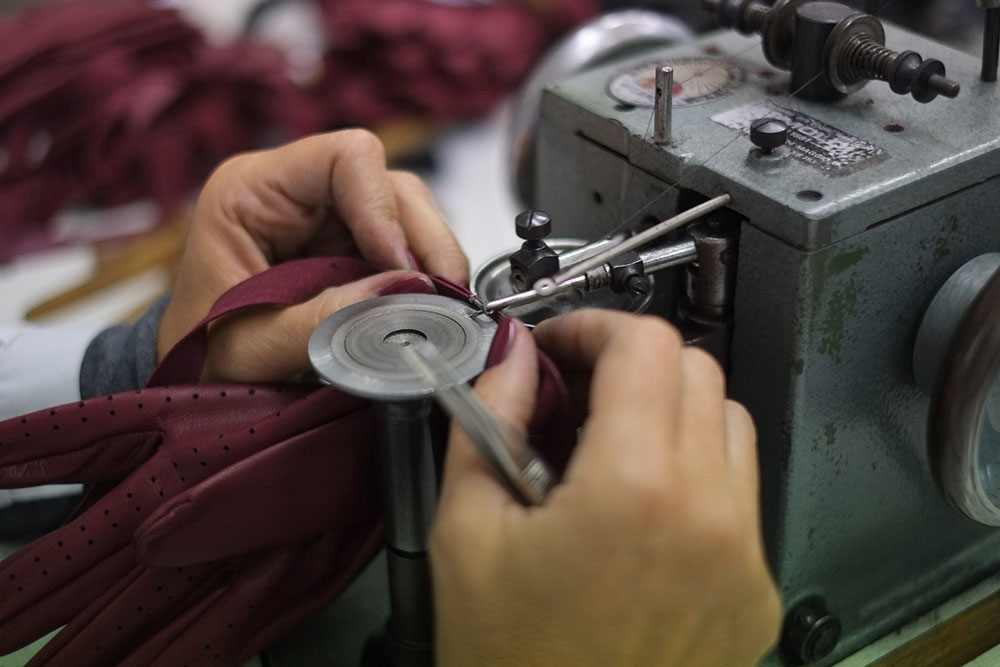
Choosing the right pair of gloves is more than just a style decision; it’s about protection, comfort, and efficiency for your hands. From bracing against a harsh winter to tackling a demanding DIY project, the correct gloves make all the difference. This guide breaks down exactly what to look for, ensuring you pick the ideal pair for any task.
Understanding Glove Materials: What Works Best Where?
The material of your gloves dictates their performance, durability, and suitability for specific tasks. Selecting the right fabric or composite is crucial for optimal comfort and protection. For instance, a thin cotton glove offers minimal protection against thorns, just as a thick leather work glove won’t provide the dexterity needed for fine assembly work. Understanding the properties of common glove materials helps you make an informed choice.
Leather, often derived from cowhide, pigskin, or deerskin, offers exceptional abrasion resistance and durability, molding to your hand over time for a custom fit. However, it can lose pliability when wet and dry out, requiring conditioning. Synthetic alternatives, such as those made from nylon, polyester, or spandex blends, excel in flexibility, quick-drying properties, and often incorporate touch-screen compatibility. They might not match leather’s sheer toughness for heavy-duty tasks but are superior for activities requiring precision or quick moisture wicking. For gardening, consider gloves with nitrile or latex coatings on synthetic bases; these provide excellent grip and water resistance without sacrificing much dexterity. On the other hand, heavy-duty industrial work often calls for full leather or specialized cut-resistant materials like Kevlar or Dyneema.
Leather’s Durability vs. Synthetic Agility
For tasks demanding ruggedness, such as construction, landscaping, or handling rough materials, leather gloves are the undisputed champions. Brands like Wells Lamont and Kinco are known for their quality leather work gloves, offering protection against abrasions and punctures. A good pair of deerskin work gloves, for example, might cost around $30-$50 and provide years of service with proper care. Synthetic gloves, however, like those from Mechanix Wear (the Original model is around $25), excel in situations requiring fine motor skills, a strong grip, or weather resistance. Their elasticized materials and tactile fingertips make them ideal for mechanics, shooting, or light assembly where precise movements are critical. They often feature reinforced palms and fingers made from synthetic leather or silicone for enhanced grip.
Insulation & Breathability: Wool, Fleece, and Technical Fabrics
When battling the cold, insulation is . Wool gloves, especially merino wool, offer excellent warmth even when damp, plus natural breathability and odor resistance. They are fantastic for everyday wear in chilly conditions. Fleece gloves provide a soft, comfortable layer of warmth and are often more affordable, though they may not block wind as effectively. For extreme cold or wet conditions, technical fabrics like Gore-Tex (for waterproofing) combined with synthetic insulation like Primaloft are the go-to. High-performance winter gloves from brands like Hestra or The North Face can range from $70 to over $200, incorporating multiple layers of insulation, waterproof membranes, and durable outer shells for skiing, snowboarding, or extreme winter sports. These are designed to keep hands warm and dry in temperatures well below freezing, offering features like internal liners and wrist leashes.
Water Resistance: Rubber, Neoprene, and Coatings
Tasks involving water, chemicals, or messy substances require dedicated water-resistant gloves. Standard household cleaning often uses rubber or latex gloves, like the Playtex Living Gloves (around $5-$8), which offer good chemical resistance and a non-slip grip. For more robust applications, such as heavy-duty cleaning, automotive work, or even fishing, neoprene gloves are a superior choice. Neoprene provides better insulation in cold water and is more puncture-resistant than thin latex. Nitrile gloves, while disposable, offer excellent chemical resistance and tactile sensitivity, making them popular for medical use, laboratory work, and painting. When looking at work gloves, many modern synthetic options now feature water-resistant coatings, useful for light rain or damp conditions without the bulk of full rubber gloves.
Sizing Your Gloves Correctly: A Common Pitfall
An ill-fitting glove is worse than no glove at all. Too tight, and you restrict circulation, leading to cold hands and discomfort. Too loose, and you lose dexterity, grip, and the glove can even become a safety hazard. Many people simply guess their size, leading to frustration. Getting the size right impacts everything from warmth to the ability to hold tools effectively. Accurate sizing ensures your gloves perform as intended, providing the necessary protection and comfort without hindering your movements.
- Measure Your Hand for an Accurate Fit: To find your correct glove size, take a flexible measuring tape. Wrap it around the widest part of your hand, typically just below your knuckles, excluding your thumb. Make sure the tape is snug but not tight. Note this measurement in inches or centimeters. This is your hand circumference. Most glove manufacturers provide a sizing chart that correlates this measurement to a letter size (S, M, L, XL) or a numerical size. For example, a circumference of 8.5 inches often corresponds to a men’s Large.
- Check Finger Length: While circumference is key, finger length also matters. If possible, try on gloves to check that your fingertips reach the end of the glove’s fingers without excess material bunching or stretching uncomfortably. Some brands offer gloves with specific finger length variations, or you might find certain styles (like gauntlet-style or driver’s gloves) naturally accommodate different finger lengths better. For instance, a glove should allow you to fully extend and curl your fingers without resistance, yet feel secure.
- Consider the Glove’s Purpose: The intended use influences the ideal fit. Winter gloves or heavily insulated gloves often need a slightly looser fit to allow for air circulation and layering, which traps warmth. Work gloves, conversely, require a snugger fit for better grip and control of tools, minimizing slack that could get caught. Always check if the glove allows for full range of motion for your specific activity.
Why a Poor Fit Leads to Discomfort and Wear
A glove that’s too small will put stress on the seams, leading to premature tearing and reduced durability. It will also compress your hand, restricting blood flow and making your hands colder in winter or causing cramping during extended use. Conversely, a glove that’s too large will bunch up, reducing your tactile feedback and making it harder to grasp objects securely. This loss of dexterity can be dangerous when operating machinery or handling delicate items. The extra material also creates friction points, potentially causing blisters or uneven wear on the glove itself. Investing an extra five minutes to measure and consult a size chart prevents these common issues, ensuring your gloves are comfortable and last longer.
When to Upgrade Your Gloves: Spotting the Signs of Wear
When your gloves show visible holes, thinning patches, or compromised insulation, they’re no longer offering adequate protection or warmth. Replace them immediately.
Top Glove Types for Everyday Tasks: Recommendations & Uses
Choosing the right glove for the job isn’t optional; it’s essential for comfort, protection, and performance. I strongly recommend having at least three distinct types of gloves on hand for common lifestyle activities: one for cold weather, one for light work or DIY, and a dedicated pair for kitchen or cleaning tasks. This approach ensures you’re always equipped with the optimal handwear, preventing discomfort and extending the lifespan of each pair. For instance, trying to use delicate driving gloves for gardening will ruin them and offer poor protection, while heavy winter gloves will be useless for washing dishes. Brands like Hestra, Mechanix Wear, and Playtex consistently deliver reliable options across these categories.
Best for Cold Weather: Insulated & Waterproof
For cold weather, you need gloves that prioritize warmth and dryness. My top recommendation for general winter use, especially if you live in a region with true cold, is a pair of insulated, waterproof ski or winter gloves. Look for brands like Hestra or The North Face. The Hestra Army Leather Heli Ski Glove ($160-$180) is a premium pick, featuring a durable leather palm, a waterproof and breathable outer shell (often Gore-Tex), and removable insulation liners. This allows for versatility and easier drying. For a more budget-friendly but still effective option, Columbia’s Bugaboo Interchange Gloves ($60-$80) offer similar multi-layer protection. Key features to look for include good cuff seals to keep snow out, thumb wipes for noses, and a pre-curved fit for comfort.
For Light Work & DIY: Durable Grip Options
For tasks like gardening, minor home repairs, moving boxes, or detailed workshop activities, dexterity and grip are key. You need a glove that offers protection without sacrificing too much tactile feel. I suggest the Mechanix Wear Original Gloves ($25-$30). These are incredibly versatile, known for their durable synthetic leather palm, breathable TrekDry material on the back, and a snug fit that allows for precision. They’re not heavily insulated or waterproof, but they excel in dry, moderate conditions. For gardening, specifically, Atlas Nitrile Garden Gloves ($6-$10 for a multipack) are excellent. They offer a strong grip, good puncture resistance against thorns, and allow for surprising dexterity for planting and weeding. These types of gloves are designed to be resilient against abrasion and minor cuts, extending the life of your hands (and the gloves themselves).
Kitchen & Cleaning: Chemical Resistance
When it comes to kitchen duties or household cleaning, chemical and water resistance are non-negotiable. Using bare hands risks irritation from harsh cleaners and prolonged exposure to hot water. My firm recommendation for these tasks are the classic Playtex Living Gloves ($5-$8). They are made from durable latex with a cotton flock lining for comfort and easy on/off. They feature a textured palm and fingers for a secure grip on wet dishes or cleaning tools. For individuals with latex allergies, nitrile cleaning gloves (e.g., Casabella Waterblock Gloves, $10-$15) are an excellent alternative, providing similar protection and durability. Always pick a pair with a decent cuff length to prevent water from splashing into the glove, keeping your hands dry and protected from cleaning agents.
Comparison: Budget vs. Premium Gloves
The glove market offers a vast range of options, from inexpensive bulk buys to high-end, specialized gear. Deciding whether to splurge or save often comes down to intended use, desired longevity, and specific features. Here’s a brief breakdown to help you weigh your options.
| Feature/Category | Budget Gloves (e.g., Generic Cotton, Thin Latex) | Premium Gloves (e.g., Hestra, Mechanix Wear, Quality Leather) |
|---|---|---|
| Price Range | $2 – $15 | $25 – $200+ |
| Materials | Basic cotton, thin polyester, natural rubber, thin latex | High-grade leather (deerskin, cowhide), Gore-Tex, Primaloft, Kevlar, advanced synthetics (TrekDry) |
| Durability | Low to moderate; prone to tears, quicker wear-out | High; built to last, reinforced stitching, long lifespan with care |
| Protection | Minimal; basic barrier against dirt/light abrasion, limited cold/chemical resistance | Superior; excellent against cuts, abrasions, punctures, extreme cold, chemicals, often waterproof |
| Comfort/Fit | Often basic, loose fit, less ergonomic, can be clammy | Ergonomic design, often pre-curved, precise sizing, breathable liners, better dexterity |
| Special Features | Rarely any; perhaps basic grip texture | Touchscreen compatibility, waterproof membranes, insulation systems, reinforced palms, wrist leashes, odor control |
| Maintenance | Often disposable or difficult to clean effectively | Specific cleaning instructions, re-oiling for leather, liners are often removable for washing |
Entry-Level Performance
Budget gloves serve their purpose for infrequent, low-impact tasks. Think of a bulk pack of cotton gloves for handling delicate items, or basic latex dishwashing gloves. They provide a simple barrier against dirt, minor irritants, or water. While they’re affordable, their lifespan is typically short, and they offer minimal specialized protection or comfort. They are perfect for tasks where you don’t expect heavy wear or extreme conditions, like painting a room once or doing a quick garden tidy. Don’t expect these to last through a full season of heavy use or provide significant warmth.
Investing in Longevity and Comfort
Premium gloves are an investment in performance, durability, and comfort. A pair of high-quality leather work gloves from Wells Lamont can withstand years of abuse, molding to your hands over time. Winter gloves from Hestra or The North Face provide superior warmth and waterproofing for harsh conditions, often featuring advanced materials that manage moisture and retain heat effectively. These gloves are designed with ergonomics in mind, offering a precise fit and features like touchscreen compatibility or specialized grip zones. While the initial cost is higher, the extended lifespan, enhanced protection, and superior comfort often justify the expense for frequent users or demanding activities.
Common Glove Mistakes to Avoid
Many glove-related frustrations stem from simple, avoidable errors. These mistakes not only lead to discomfort but can also compromise your safety and shorten the lifespan of your gloves. Being mindful of these pitfalls ensures you get the most out of your hand protection.
Using the Wrong Material for the Job
Perhaps the most common mistake is grabbing any available pair of gloves for a task they weren’t designed for. Using thin, synthetic gardening gloves to handle hot logs can melt them and burn your hands. Conversely, wearing bulky, insulated winter gloves for detailed electrical work can lead to a lack of dexterity and potential accidents. Always match the glove’s material and construction to the specific demands of the task. For example, chemical resistance requires nitrile or rubber; cut resistance needs Kevlar or high-performance synthetics; and warmth demands wool or down insulation. A quick check of the glove’s intended purpose on its packaging or product description can save you a lot of trouble.
Neglecting Proper Cleaning and Storage
Gloves are exposed to sweat, dirt, grease, and various contaminants. Failing to clean them regularly and store them correctly accelerates wear and can harbor bacteria or unpleasant odors. Leather gloves, for instance, need to be cleaned with specific leather cleaners and conditioned periodically to prevent drying and cracking. Washing synthetic gloves in a machine (following care instructions) removes grime, but throwing them into a hot dryer can damage elastic components or waterproof membranes. Always allow gloves to air dry completely before storing them. Storing damp gloves promotes mildew growth and material degradation. Hang them or lay them flat in a dry, well-ventilated area, away from direct sunlight or extreme temperatures. Proper care significantly extends a glove’s life and maintains its performance.
Ignoring Dexterity Requirements
The primary function of many gloves is to protect, but not at the expense of your ability to perform the task. Overly thick or stiff gloves can severely limit your finger movement and tactile feedback, making intricate tasks nearly impossible. For activities like photography, operating touchscreens, or fine motor assembly, you need gloves with high dexterity, often achieved through thinner materials, pre-curved designs, or specialized fingertip construction. Brands like Mechanix Wear specialize in balancing protection with dexterity. Always test the glove’s flexibility by picking up small objects or mimicking the movements required for your task before committing to a purchase. If you can’t comfortably manipulate a pen or a small bolt, those gloves are too bulky for precision work.
FAQ: Your Glove Questions Answered
How Do I Clean My Leather Gloves?
Cleaning leather gloves requires a gentle approach. First, let any mud or dirt dry completely, then gently brush it off with a soft brush. For deeper cleaning, use a specialized leather cleaner applied with a damp cloth, following the product’s instructions. Do not submerge leather gloves in water or machine wash them, as this can strip natural oils, making the leather stiff and prone to cracking. After cleaning, allow them to air dry away from direct heat or sunlight. Once dry, apply a leather conditioner to restore suppleness and protect the material. Brands like Lexol or Chamberlain’s Leather Milk offer excellent conditioning products for around $15-$25 per bottle, and a small amount goes a long way.
Can I Use Winter Gloves for Skiing?
While many winter gloves offer warmth, not all are suitable for skiing. Dedicated ski gloves, like those from Hestra or Gordini, are specifically designed to withstand the harsh conditions of the slopes. They typically feature robust waterproofing (e.g., Gore-Tex, proprietary membranes), superior insulation tailored for extreme cold (like Primaloft or down), and often include reinforced palms and fingers for grip on ski poles. They also often have longer gauntlet cuffs to keep snow out and wrist leashes to prevent loss on the lift. Standard fashion winter gloves may keep your hands warm for a walk but often lack the necessary waterproofing, insulation density, and durability for sustained exposure to snow and cold during skiing or snowboarding. Always check the temperature rating and waterproof claims for any glove you intend to use for skiing.
What’s the Best Way to Store Gloves Off-Season?
Proper off-season storage is crucial for prolonging the life of your gloves. First, ensure all gloves are thoroughly cleaned and completely dry. For leather gloves, apply a conditioner before storing. For winter gloves with removable liners, take them out to ensure everything is fully aired. Store gloves in a cool, dry place away from direct sunlight, which can degrade materials over time. Avoid stuffing them into tight spaces; ideally, lay them flat or hang them gently to maintain their shape. For insulated gloves, avoid compressing them under heavy items, as this can damage the insulation fibers. Some people use cedar balls or sachets to keep pests away and absorb any residual moisture. Organizing them by type or season in clear storage bins can also make them easier to find when needed.