
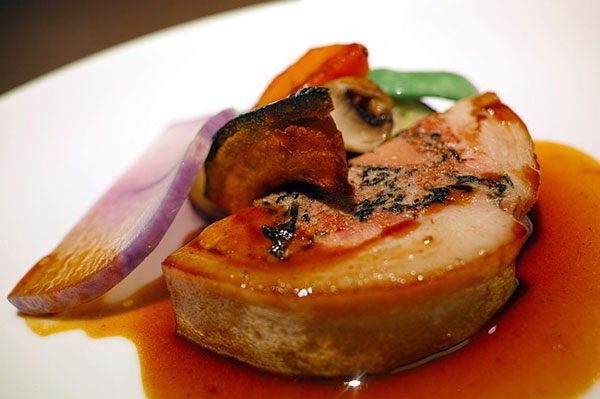
Okay, you want to cook with foie gras. Maybe you’ve tasted it in a fancy restaurant, or you’re just curious. But before you jump in, let’s clear up a big misconception: not all foie gras is the same, especially when it comes to ethics and quality. It’s a common thought that all foie gras production is a single, uniformly cruel process. That’s not entirely accurate. While traditional gavage methods raise legitimate concerns for many, there are different production approaches and varying legal landscapes you need to understand.
Buying foie gras means making informed choices. You’re looking for specific attributes in the liver itself, but also understanding where it comes from. This guide will help you navigate the grades, the ethics, and the best ways to get your hands on a truly great product for your kitchen, without feeling lost or guilty.
Understanding Foie Gras: Beyond the Hype and Misinformation
Foie gras, literally meaning “fat liver” in French, is a delicacy made from the liver of a duck or goose that has been specially fattened. It’s prized for its rich, buttery flavor and incredibly smooth texture. The core controversy stems from the traditional feeding method known as gavage, which involves force-feeding the birds. This practice, while central to traditional production, often overshadows the nuances of the industry and the varying approaches to animal welfare.
Many assume foie gras is universally banned or produced in inhumane conditions. This simply isn’t true across the board. While some regions, like California in the US, have implemented bans on its sale and production (though legal challenges and interstate commerce loopholes exist), it remains a staple in French cuisine and is legally produced and sold in many parts of the world, including Canada, Hungary, and specific states within the US. The key is to look beyond blanket statements and understand the specific methods and regulations in play.
You need to know that not all foie gras is created equal, both in terms of quality and the conditions under which it’s produced. Some farms focus on higher welfare standards, even within the gavage method, ensuring veterinary oversight, spacious housing, and careful handling. Others are actively exploring and implementing alternative, gavage-free methods, such as natural feeding or stress-free environments that encourage overfeeding naturally. These ethical considerations are for many buyers today.
What Gavage Actually Means
Gavage is the process of force-feeding ducks or geese with a high-energy diet, typically corn, for a period of about two to four weeks before slaughter. The goal is to rapidly enlarge the liver, making it significantly richer and fattier. This practice often uses a feeding tube, leading to images and discussions that are unsettling for many. Critics argue it’s inherently unnatural and causes undue stress and suffering to the birds.
However, proponents often point to the natural anatomy of waterfowl, which are physiologically adapted to rapid weight gain and fat storage in preparation for migration. They have an expandable esophagus and lack a gag reflex, making the process less traumatic than it might appear for other species. Reputable farms ensure the birds are healthy, well-cared for, and that the feeding process is managed by trained staff to minimize discomfort. Still, the debate continues, and it’s a personal decision for each consumer whether to support this method.
The Ethical Spectrum: Traditional vs. ‘Ethical’ Foie Gras
When you see “ethical” or “gavage-free” foie gras, it generally refers to products where the ducks or geese are not force-fed. Instead, they are given an abundant diet, often free-range, and allowed to eat as much as they desire, leading to a naturally enlarged liver. This method produces a liver that is typically smaller and has a slightly different texture and flavor profile than traditionally produced foie gras, but it completely sidesteps the ethical concerns associated with gavage.
A prime example of this is the “pâté de foie gras entier au torchon” from Spain’s Eduardo Sousa, where geese naturally gorge on acorns and grass in a stress-free environment, resulting in a foie gras that some consider superior. These methods are less common and often more expensive due to lower yields and labor-intensive processes, but they offer a clear alternative for those prioritizing animal welfare above all else. When you’re buying, look for specific certifications or direct farm claims if ethical sourcing is your priority.
Identifying Quality Foie Gras: A Visual and Textural Checklist
Once you’ve considered the ethics, your next step is to recognize true quality. You can’t just grab any block. High-quality foie gras makes all the difference in your dish. It’s about appearance, texture, and even subtle aroma before cooking. Knowing what to look for prevents wasting money on an inferior product that won’t deliver that signature rich, melt-in-your-mouth experience.
Here’s a checklist to guide you:
-
Color: The ideal color is a pale ivory or creamy yellow. Avoid livers that are too pink, which can indicate lower fat content, or those with dark spots, which might suggest bruising or poor handling. A uniform color is a sign of a healthy, well-produced liver.
-
Texture: It should be smooth and firm to the touch, but with a slight give. It shouldn’t feel hard or rubbery, nor should it be mushy or excessively soft. A good foie gras will have a delicate, almost velvety feel. When you press it gently, it should bounce back slightly, indicating good density and fat distribution.
-
Absence of Veins or Blemishes: While a few minor veins are unavoidable, an excellent lobe will have very few visible blood vessels. Large, prominent veins or any dark spots, especially around the edges, suggest a lower grade or poorer quality control. These imperfections can affect both the appearance and texture of your finished dish, requiring more extensive cleaning.
-
Weight and Density: A quality foie gras lobe will feel substantial for its size. It should have a good density due to its high fat content. Lighter, less dense lobes often contain more connective tissue or have not been sufficiently fattened, which means less yield and flavor when cooked.
-
Smell: Fresh foie gras should have a very mild, slightly nutty, and clean aroma. Any strong, off, or metallic smells are a clear warning sign that the product is past its prime or has been handled improperly. Trust your nose – if it doesn’t smell right, don’t buy it.
Grades and Their Culinary Uses
Foie gras is typically graded based on its size, appearance, and firmness:
-
Grade A: This is the top tier. It refers to large (typically 500-700g), firm, unblemished lobes with a consistent, creamy color. Grade A is perfect for searing (poêlé) as individual slices, making terrines, or for any preparation where presentation and minimal trimming are crucial. It has the best fat-to-meat ratio, meaning less melt-off during cooking.
-
Grade B: These lobes are slightly smaller, may have minor imperfections, or be a bit softer. They are excellent for preparations where the foie gras will be melted down, puréed, or incorporated into other dishes, such as mousses, sauces, or stuffings. You might need to trim more veins, but the flavor is still outstanding.
-
Grade C: These are the smallest, softest, and most imperfect lobes, often used in pâtés or emulsions where the texture and appearance of the raw liver are less critical. They are generally not suitable for searing due to excessive fat loss.
Visual Cues for Freshness
Beyond color, look for a lack of discoloration on the surface. Any greenish or brownish tinges indicate oxidation or spoilage. The fat should appear glistening and supple, not dry or chalky. If buying frozen, the packaging should be intact, and there should be no signs of freezer burn, which would manifest as dry, discolored patches. Frozen foie gras should be vacuum-sealed tightly to prevent quality degradation.
The Importance of Texture and Fat Content
The texture directly correlates with the fat content and how it will perform in your kitchen. A firm, dense lobe with a high fat content (around 80-85%) is ideal because it holds its shape better during cooking and yields that characteristic rich flavor and silky texture. Foie gras with lower fat content will melt away quickly, leaving you with less product and a less satisfying result. This is especially critical when searing, where you want a beautiful crust and a creamy interior.
Common Foie Gras Buying Blunders and How to Dodge Them
Even with a good eye for quality, there are pitfalls you need to avoid when buying foie gras. These aren’t just about getting a bad product; they can lead to wasted money, disappointing dishes, and even ethical missteps. Think of these as the traps that even experienced home cooks sometimes fall into.
Is Frozen Foie Gras Always Inferior?
Not necessarily. While fresh foie gras is often lauded as the gold standard, high-quality frozen foie gras can be an excellent, practical alternative, especially if you don’t have immediate access to fresh. The key here is the freezing process itself. Commercially flash-frozen foie gras, typically vacuum-sealed, can retain almost all its original quality. The fast freezing prevents large ice crystals from forming, which are what damage cell structures and lead to a mushy texture upon thawing.
However, avoid buying foie gras that looks like it’s been frozen, thawed, and refrozen. This will usually have freezer burn, a dull color, and an overly soft, inconsistent texture. Always check the packaging dates and ensure the seal is unbroken. For most home cooks, high-quality frozen Grade A foie gras is a perfectly acceptable and often more convenient option, provided it’s handled correctly.
Why Does Sourcing Matter So Much?
Sourcing is crucial for several reasons: quality, ethics, and legality. Different countries and even different regions within a country have varying regulations on foie gras production. For example, some jurisdictions ban the sale of foie gras produced through gavage, while others allow it. Knowing where your foie gras comes from means you can verify its legality and align your purchase with your ethical stance.
Beyond ethics, sourcing often correlates with quality. Reputable producers in France, Canada, and the US have established methods for raising ducks (usually Moulard or Muscovy) or geese, and for the gavage process (if used), that results in consistently excellent livers. These farms often adhere to strict hygiene and quality control standards. Buying from an unknown source without verification means you risk getting an inferior product or one from questionable ethical origins. Always look for a clear origin label.
Overpaying for Lower Grades: What to Watch For
This is a common financial blunder. Some retailers might not explicitly label the grade of foie gras, or they might try to sell Grade B or C products at Grade A prices. You’re paying a premium for a product that won’t perform as well in many applications, especially searing. A Grade A lobe, around 500-700g, should cost roughly $70-100 USD, depending on the supplier and market, as of 2026. If you see a smaller, softer lobe without clear grading selling in that price range, be wary.
Always ask for the grade if it’s not specified. If buying online, reputable sellers will clearly state the grade. If you’re getting a whole lobe for searing or terrines, insist on Grade A. For mousses or sauces, Grade B is perfectly acceptable and will save you money without compromising flavor. Don’t get lured by a slightly lower price on an un-graded product that turns out to be a Grade B or C masquerading as prime.
Recommended Foie Gras Brands for Every Palate and Purpose
Alright, you’re ready to buy. When it comes to specific brands, you have solid choices. My top recommendation for general-purpose, high-quality foie gras, especially if you’re new to cooking it, is D’Artagnan. They are consistently reliable and offer a range of products. For those prioritizing traditional French preparation, Rougie is a benchmark. And if ethical production is your primary concern, Hudson Valley Foie Gras has made significant strides in their welfare practices.
Here’s a quick comparison of some excellent brands you’ll find:
| Brand | Key Product Offerings | Typical Use Case | Average Price (per 500g lobe, 2026 est.) |
|---|---|---|---|
| D’Artagnan | Grade A Moulard Duck Foie Gras (fresh & frozen), terrines, pates | Searing, terrines, general gourmet cooking | $80-$100 |
| Rougie | Bloc de Foie Gras, whole duck/goose foie gras lobes, canned products | Terrines, pates, traditional French preparations | $75-$95 |
| Hudson Valley Foie Gras | Grade A Moulard Duck Foie Gras (fresh & frozen), ethical practices | Searing, all applications with welfare in mind | $85-$105 |
| Maison Lafitte | Whole goose and duck foie gras, preserved foie gras, specialty items | Gourmet gifts, traditional French cooking, preserved options | $90-$110 |
Best for Sautéing: D’Artagnan Foie Gras
For searing, you need a Grade A lobe that holds its shape and renders beautifully. D’Artagnan’s Moulard Duck Foie Gras is consistently excellent for this. They offer both fresh and individually vacuum-sealed frozen lobes, usually around 1.1 to 1.5 lbs (500-700g). Expect to pay around $80-100 for a prime lobe. Their product is known for its clean, buttery flavor and robust texture, which makes it forgiving for beginners learning to sear. They also have a strong distribution network, making their products relatively easy to find through specialty online retailers and high-end butcher shops.
For Terrines: Rougie Bloc de Foie Gras
If your goal is to make a classic terrine, Rougie is a go-to. While they sell whole lobes, their “Bloc de Foie Gras” or even simpler preparations are renowned. Their fresh or preserved whole lobes are perfectly suited for terrine preparation because of their consistent quality and fat distribution, ensuring a smooth, luxurious finished product. Rougie is a French brand, steeped in tradition, and their products embody the classic taste and texture that discerning chefs expect. A Rougie whole lobe (Grade A) will be in a similar price range to D’Artagnan.
Ethical Choice: Hudson Valley Foie Gras
For those in the US concerned about animal welfare, Hudson Valley Foie Gras is a leading producer. They have invested heavily in welfare research and implemented practices that minimize stress during the gavage process, focusing on the natural behavior of ducks. They offer Grade A Moulard Duck Foie Gras, available fresh and frozen, usually around 1.25 lbs (560g) for about $85-105. Their commitment to improving conditions, combined with a high-quality product, makes them a strong choice for the ethically minded cook who still wants the traditional foie gras experience. They are often available directly from their farm or through specialized online purveyors.
Storing and Preparing Foie Gras for Optimal Results
You’ve got your beautiful lobe of foie gras. Now what? Proper handling and a few simple preparation steps are crucial to ensure you get the best out of this luxurious ingredient. Mishandling can quickly degrade its quality, turning a costly delicacy into a disappointing mess. Treat it with care, and it will reward you with an unforgettable culinary experience.
Whether you’re planning to sear it, make a terrine, or incorporate it into a sauce, the initial steps are fundamental. Don’t just throw it in a hot pan right out of the fridge. A little patience goes a long way here. The goal is to preserve its delicate fat structure and ensure an even cook, which leads to that perfectly creamy, rich texture you’re after. Getting these basics right is the difference between a good dish and an extraordinary one.
Prepping Your Foie Gras Before Cooking
First, if frozen, thaw your foie gras slowly in the refrigerator for 24-48 hours. Never thaw at room temperature or use a microwave, as this can damage its delicate texture. Once thawed (or if fresh), carefully remove any visible veins or blood spots. This process, called “déveining,” is essential for a clean, smooth result, especially for terrines or whole slices.
To devein: use a small, sharp paring knife or your fingers. Gently separate the two lobes, if applicable. You’ll see the main central vein and smaller capillaries. Carefully pull them out, trying not to break up the liver too much. Some chefs soak the foie gras in milk or cold water for an hour after deveining to draw out any remaining blood, then pat it thoroughly dry. Once cleaned, season your foie gras generously with salt and white pepper. Some prefer a pinch of sugar or a splash of Sauternes for added flavor. For searing, slice the lobe into 1-inch thick pieces.
Basic Searing Technique: The Hot Pan Method
Searing is the most common and arguably the best way to enjoy foie gras quickly. Here’s how to do it right:
-
Heat the Pan: Use a very hot, dry non-stick or cast-iron skillet. No oil is needed; the foie gras will render its own fat. The pan must be smoking hot before you add the foie gras.
-
Sear Quickly: Place the seasoned foie gras slices in the hot pan. Sear for about 60-90 seconds per side, depending on thickness. You’re looking for a beautiful, deep golden-brown crust. The inside should still be incredibly soft and creamy.
-
Drain Fat: As it cooks, a significant amount of fat will render. You can carefully pour off this rendered fat into a separate heatproof container. This fat is liquid gold – save it for cooking potatoes, eggs, or other savory dishes. It will solidify when cooled and keeps well in the fridge.
-
Serve Immediately: Foie gras waits for no one. Serve it straight from the pan. It pairs beautifully with something acidic or sweet to cut through its richness, like a fruit chutney, fig jam, or a drizzle of balsamic glaze. A sprinkle of flaky sea salt right before serving elevates the flavor.
Storing uncooked foie gras is straightforward: keep it tightly wrapped (original vacuum seal or plastic wrap) in the coldest part of your refrigerator for up to 3-5 days. For longer storage, flash-frozen and vacuum-sealed foie gras can last up to 6 months in the freezer without significant loss of quality.
 Mollie Nash