
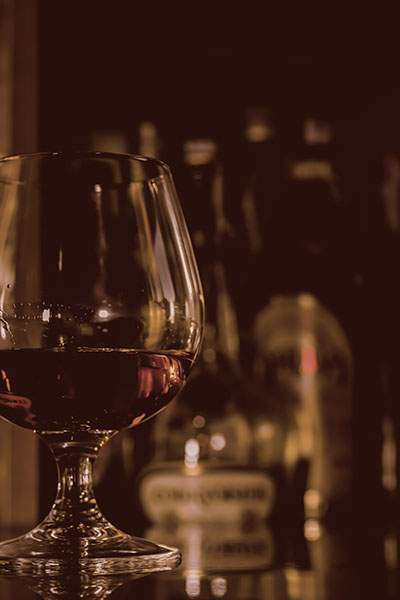
You just secured that promotion. Or maybe it’s a significant anniversary. You want to mark the occasion with something truly special, a spirit that screams history, depth, and serious prestige. You hear the term “Hors d’Age.” Sounds exclusive, sounds expensive. It is. But if you dive into this category without proper understanding, you’ll either drop serious cash on an average bottle or, worse, completely miss out on a genuine masterpiece. Don’t make that mistake.
Recognizing Genuine Hors d’Age Value
“Hors d’Age” literally translates to “beyond age.” It’s not just a fancy label; it signifies a spirit that has matured far past the standard classifications like XO (Extra Old). While XO Cognac requires a minimum of 10 years in cask as of 2018, an **Hors d’Age** spirit might have spent 30, 50, or even 100 years mellowing. This isn’t a legal minimum; it’s a quality claim, indicating exceptional rarity and complexity that transcends mere age statements. Think of it as the grand cru of aged brandies.
A true Hors d’Age offers an unparalleled aromatic profile. You’re looking for profound depth: dried fruits, tobacco, leather, spices, and the unmistakable “rancio”—a complex, mushroomy, nutty aroma that develops only after decades of oxidative aging. This isn’t something you find in younger spirits. It’s the hallmark of time and expert cellar management. Anything less, and you’re buying an overpriced XO with a misleading label.
Defining True Hors d’Age
The term isn’t strictly regulated in the same way VS, VSOP, or XO are. This lack of strict legal definition means producers use it to denote their oldest and finest reserves. It’s a statement of quality, not just a number. Always assume a bottle labeled Hors d’Age implies a spirit significantly older than 10 years, often 20-30 years at minimum, but producers rarely specify an exact age. They don’t have to. The flavor profile is the real age statement.
The Rancio Factor
Rancio is the key. This unique aroma and flavor signature, often described as forest floor, old leather, mushroom, or nuttiness, is what you pay for. It develops over decades in contact with oak and air. If you’re not detecting these complex, earthy, and umami notes, the spirit likely hasn’t spent enough time in the barrel to earn its Hors d’Age designation, regardless of what the label says. Trust your nose, not just the marketing.
Common Pitfalls When Buying Aged Spirits
Buying Hors d’Age can be a minefield. You need to know what traps to avoid, because one wrong move can cost you hundreds, if not thousands, for a bottle that doesn’t deliver. Straight up, most people get this wrong.
- Falling for Flashy Packaging: An ornate decanter or a velvet-lined box doesn’t guarantee quality. Some producers spend more on presentation than on the spirit inside. Focus on the producer’s reputation, not just the sparkle. A simple bottle from a renowned house often outperforms a showy, unknown brand.
- Ignoring Provenance: Where did the grapes come from? Which region? For Cognac, Grande Champagne and Petite Champagne are typically superior. For Armagnac, Bas-Armagnac. Knowing the **terroir** (soil, climate, and other natural factors) is critical. Generic «France» isn’t enough.
- Buying Blind on Price Alone: Expensive doesn’t always mean better, especially in this category. While true Hors d’Age is never cheap, a ridiculously high price tag from an obscure brand might be pure speculation. Conversely, a suspiciously low price for something claiming to be 50 years old is a red flag for authenticity or quality.
- Not Researching the Producer: Some brands are consistently excellent; others are inconsistent or just average. Don’t assume all large houses are equal, and don’t dismiss smaller, artisanal producers. Dig into reviews, historical reputation, and cellar master philosophy.
- Over-relying on «Vintage» Claims: A vintage year on a bottle of Armagnac is usually reliable. For Cognac, a single vintage is far less common and can be problematic if not clearly from a reputable, single-estate producer. Most Cognacs are blends of different vintages to achieve a consistent house style. Be wary of unverified single-vintage Cognacs.
Cognac, Armagnac, Calvados: Which to Choose?
When you’re shelling out for Hors d’Age, you’re usually looking at three main French brandies. Each offers a distinct profile. Don’t assume they’re interchangeable; they’re not. Your preference matters here.
The Big Three Hors d’Age Categories
| Category | Primary Region | Flavor Profile (Aged) | Production Method | Typical Base Fruit |
|---|---|---|---|---|
| Cognac | Charente & Charente-Maritime | Floral, dried fruit, vanilla, nuts, rancio, cigar box. Often very smooth and elegant. | Double distillation in copper pot stills. | Ugni Blanc grapes. |
| Armagnac | Gers, Landes, Lot-et-Garonne | Darker fruits, prune, leather, tobacco, spice, earth, often more robust and rustic. | Single continuous distillation (sometimes double). | Ugni Blanc, Baco Blanc, Folle Blanche, Colombard grapes. |
| Calvados | Normandy | Baked apple, stewed pear, caramel, butterscotch, cinnamon, wood spice, nutty. | Single or double distillation in pot stills or column stills. | Apples (and sometimes pears). |
Making Your Pick
If you want elegance, smoothness, and a delicate floral-fruity-spicy balance, stick with Cognac. Brands like Rémy Martin, Hennessy, and Martell dominate, but smaller houses offer stunning depth. If you prefer something bolder, more rustic, and with deeper, earthier fruit notes, then Armagnac is your game. It’s often seen as the more «masculine» of the two, with incredible vintage expressions. If you appreciate orchard fruit notes, baked apples, and a unique, warm spiciness, Calvados is an underrated gem. An aged Calvados can surprise even the most jaded palate. Don’t be afraid to try all three to find your true preference. They’re all legitimate Hors d’Age contenders.
Don’t Overpay: Understanding Hors d’Age Pricing
Hors d’Age spirits command serious prices, and for good reason: time, rarity, and the expertise of the **cellar master**. But you can still overpay. The price isn’t just about the liquid; it’s a reflection of many factors. Understand these, and you’ll know if you’re getting ripped off or securing a fair deal.
First, the obvious: age. A 50-year-old spirit will cost more than a 30-year-old. That’s simple arithmetic based on evaporation (the «angel’s share») and storage costs over decades. But it’s not linear. The older it gets, the rarer it becomes, and the price jumps exponentially. You’re paying for scarcity as much as time. A 70-year-old Hors d’Age isn’t twice the price of a 35-year-old; it’s often five or ten times the price because there are so few barrels left.
Producer reputation plays a massive role. Established houses with centuries of history and a consistent track record of exceptional quality naturally charge more. Brands like Rémy Martin Louis XIII or Hennessy Richard Hennessy are not just selling a drink; they’re selling a legacy and a guaranteed level of quality built over generations. Smaller, artisanal producers might offer comparable quality for a slightly lower price, but their limited production means they’re harder to find and might still command high prices due to demand.
Then there’s the **provenance**. For Cognac, spirits from Grande Champagne tend to be the most expensive due to the region’s chalky soil, which produces grapes with high acidity ideal for long aging. Bas-Armagnac holds a similar premium. This isn’t marketing fluff; the soil composition genuinely impacts the spirit’s ability to age gracefully and develop complex flavors. A Hors d’Age from an inferior cru will simply never reach the same heights, regardless of age, and should be priced accordingly.
The specific vintage, particularly for Armagnac, can also influence price. Some years are legendary, producing exceptional brandies that are highly sought after. If you find an Hors d’Age Armagnac from a celebrated vintage, expect to pay a premium. Finally, presentation and packaging do factor in, but they shouldn’t be the primary driver of cost. A beautiful decanter is nice, but the liquid inside is what truly matters. Always scrutinize the value of the spirit itself, not just the vessel.
Price Ranges for True Hors d’Age
Don’t expect bargains. A genuine Hors d’Age spirit typically starts around $500 for a reputable 700ml bottle, and often climbs into the thousands. For ultra-premium, ultra-aged examples from top houses, prices can easily exceed $5,000, even $10,000. For instance, a Hennessy Richard Hennessy often retails north of $5,000. A Martell L’Or de Jean Martell usually sits around $4,000-$5,000. These aren’t impulse buys; they’re investments in liquid history. If someone is offering an «Hors d’Age» for $200, it’s not real. Walk away.
Identifying the Best Hors d’Age Brands
Forget the wishy-washy advice. If you’re buying Hors d’Age, you want the best. Period. My pick for exceptional quality and consistent performance are specific bottles that have proven their worth over decades. These are the ones that deliver on the promise of «beyond age.»
Top-Tier Hors d’Age Cognacs
For Cognac, you absolutely cannot go wrong with **Frapin Extra**. It’s a Grande Champagne Cognac, aged for decades, and offers a remarkable balance of fruit, spice, and deep rancio. Expect to pay around $700-$1,000. It’s a consistent winner. If your budget stretches further, the Hennessy Richard Hennessy is an undeniable benchmark. It’s an assemblage of over 100 eaux-de-vie, some dating back to the early 19th century. The price point is steep, often $5,000+, but the complexity and elegance are unparalleled. Another excellent choice is Rémy Martin Louis XIII. While often technically an XO, its average age far exceeds the minimum, making it an Hors d’Age in spirit. It’s iconic, with generations of blending expertise. Priced similarly to Richard Hennessy, it’s a statement bottle that consistently delivers.
Exceptional Hors d’Age Armagnacs
If Armagnac is more your speed, look to Darroze Grands Assemblages. They specialize in single-estate, single-vintage Armagnacs, and their 20, 30, and 40-year-old expressions are essentially Hors d’Age. The 40-year-old typically runs $300-$500 and offers incredible depth, earthiness, and fruit. Another reliable choice is Delord Hors d’Age. It’s a blend of very old Armagnacs, delivering rich prune, spice, and woody notes for a more accessible price, usually around $250-$350. These are serious, no-nonsense brandies for the discerning palate.
Outstanding Hors d’Age Calvados
For Calvados, Christian Drouin XO or Hors d’Age is the name you need to know. Their Hors d’Age offerings are sublime, showcasing intense baked apple, caramel, and beautiful oxidative notes from extended wood aging. A 20-year-old Calvados Pays d’Auge will often be labeled XO but offers true Hors d’Age complexity, costing around $200-$300. It’s a revelation for those unfamiliar with aged apple brandy.
Tasting Hors d’Age: Get It Right
You didn’t spend this much money to chug it. Or worse, to drown it in ice or soda. Treat Hors d’Age with the respect it deserves. Pour it neat, in a tulip-shaped glass or a snifter. Let it breathe for a few minutes. Then, nose it gently before taking a tiny sip. Don’t rush. This isn’t a drink; it’s an experience.
Provenance and Storage: What Matters Most?
Buying a truly exceptional spirit means understanding its journey and how to preserve its integrity once it’s yours. Don’t overlook these details. They are crucial to the experience.
Where Does the Spirit Come From?
The **provenance** of an Hors d’Age spirit is . For Cognac, the specific cru (Grande Champagne, Petite Champagne) dictates its aging potential and flavor profile. Grande Champagne produces spirits known for extreme longevity and finesse. For Armagnac, Bas-Armagnac is the most highly regarded region. Always verify the origin. Look for clear indications on the label, not just generic regional claims. A reputable producer will proudly display the specific sub-region. If they don’t, be suspicious. This information isn’t just for connoisseurs; it’s a guarantee of quality and typical flavor characteristics. A well-sourced Hors d’Age tells a story, a poorly sourced one is just old booze.
How Should Hors d’Age Be Stored?
Once you acquire a bottle of Hors d’Age, proper storage is simple, but critical. Unlike wine, spirits don’t continue to age in the bottle. Once bottled, their evolution essentially stops. The key is to protect the spirit from degradation. Keep the bottle upright to prevent the high-alcohol content from eroding the cork over long periods. Store it in a cool, dark place, away from direct sunlight or extreme temperature fluctuations. A consistent temperature of around 15-20°C (59-68°F) is ideal. Light and heat are the enemies of aged spirits, as they can degrade flavor compounds and accelerate oxidation. A pantry or a dedicated spirits cabinet works perfectly. Don’t overthink it, but don’t ignore it either.
 Mollie Nash